
Selecting the right material for industrial valves is one of the most critical decisions in pipeline system design. The material of a valve directly affects its performance, durability, safety, and operating cost. Industries such as oil and gas, power generation, water treatment, chemicals, pharmaceuticals, and manufacturing rely heavily on valves that can withstand pressure, temperature, and corrosive environments. For this reason, working with a trusted industrial valve manufacturer is essential when choosing the right valve material.
Flowjet Valve, a leading industrial valve manufacturer in India, provides a wide range of valve materials designed to meet diverse industrial requirements. This guide explains how to select the best industrial valve material based on application needs and operating conditions.
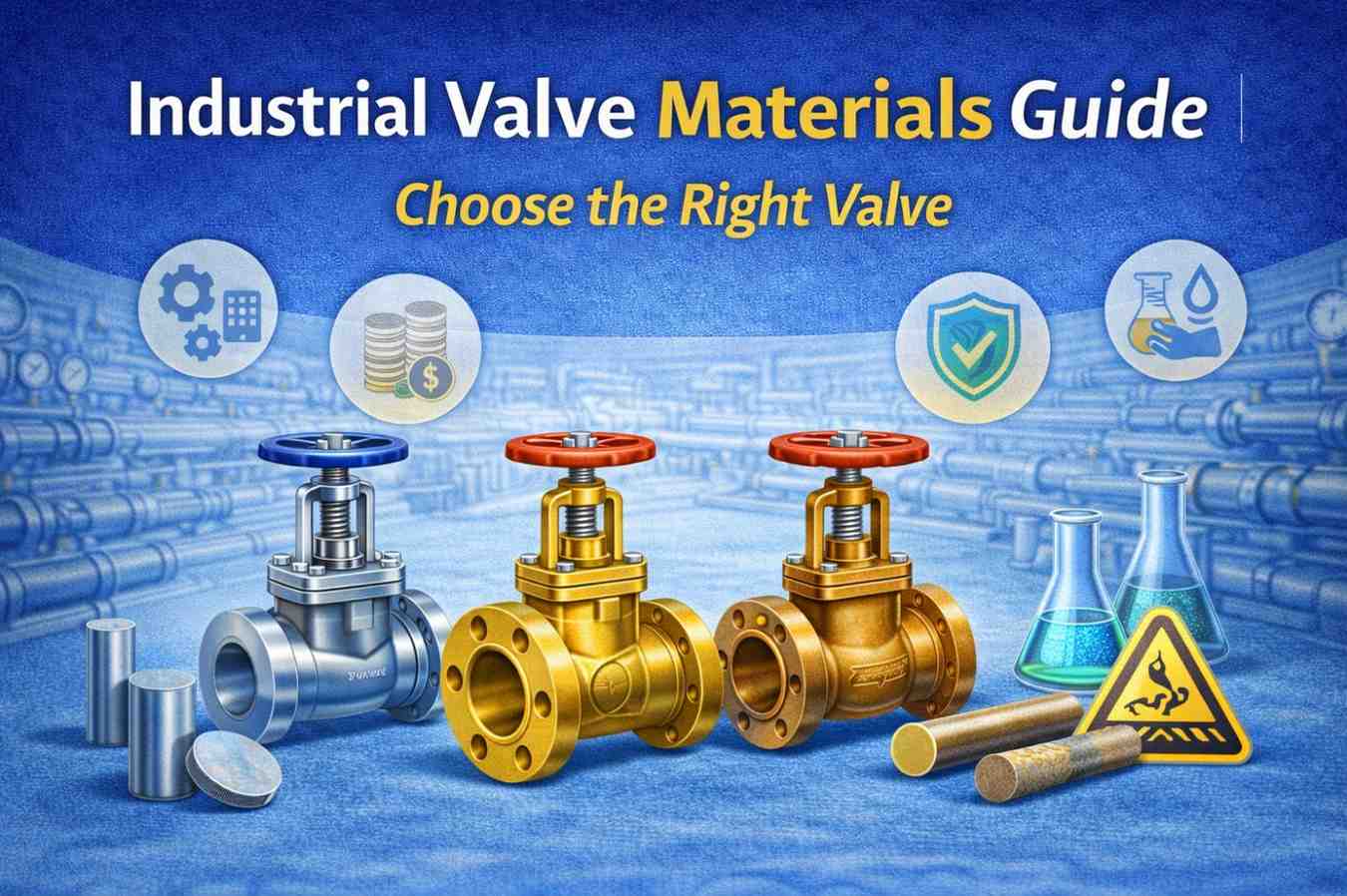
Why Valve Material Selection Matters
Valve material selection determines how well a valve performs over its entire service life. An incorrect material choice can lead to corrosion, leakage, premature failure, and costly downtime. A professional industrial valve manufacturer near me understands that each application requires a material that balances strength, corrosion resistance, and cost efficiency.
Modern industrial systems often operate under extreme conditions. High pressure, fluctuating temperatures, aggressive chemicals, and abrasive media all demand specific material properties. Choosing the right material ensures long-term reliability and compliance with industry standards.
Common Industrial Valve Materials and Their Applications
Cast Iron and Ductile Iron Valves
Cast iron and ductile iron valves are widely used in water supply, wastewater treatment, and low-pressure industrial systems. These materials are known for their durability and cost-effectiveness. Ductile iron, in particular, offers improved strength and impact resistance compared to traditional cast iron.
An experienced industrial valve manufacturer will recommend ductile iron valves for municipal and infrastructure projects where moderate pressure and non-corrosive fluids are involved.
Carbon Steel Valves for High-Pressure Systems
Carbon steel is a preferred material for high-pressure and high-temperature applications. It is commonly used in oil and gas pipelines, power plants, and refineries. Carbon steel valves provide excellent mechanical strength and resistance to thermal stress.
Flowjet Valve manufactures carbon steel valves that meet international standards, ensuring reliable performance in demanding industrial environments.
Stainless Steel Valves for Corrosion Resistance
Stainless steel is one of the most popular materials for industrial valves due to its superior corrosion resistance and hygienic properties. Stainless steel valves are widely used in chemical processing, pharmaceuticals, food and beverage industries, and marine applications.
A trusted industrial valve manufacturer near me often recommends stainless steel when the process media is corrosive or when hygiene and cleanliness are critical requirements.
Advanced Alloy Valve Materials for Specialized Applications
Duplex and Super Duplex Stainless Steel
Duplex and super duplex stainless steel materials are designed for extreme environments where both strength and corrosion resistance are required. These materials are commonly used in offshore oil and gas, desalination plants, and chemical industries.
Industrial valve manufacturers in India are increasingly adopting duplex materials to meet global project requirements. Flowjet Valve offers valves in advanced alloys to support high-performance applications.
Bronze and Brass Valve Materials
Bronze and brass valves are typically used in low-pressure applications such as plumbing, HVAC systems, and marine services. These materials provide good corrosion resistance in water-based systems and are easy to machine.
Although not suitable for high-pressure industrial use, bronze and brass valves remain reliable choices for specific applications when recommended by an experienced industrial valve manufacturer.
Factors to Consider When Choosing Valve Materials
Operating Pressure and Temperature
Pressure and temperature are the most important factors in material selection. Valves used in high-pressure steam lines or thermal oil systems require materials that can withstand extreme temperatures without deformation or cracking.
A professional industrial valve manufacturer near me evaluates these conditions carefully before recommending the appropriate valve material.
Corrosion and Chemical Compatibility
The chemical composition of the process fluid plays a major role in material selection. Acidic, alkaline, or saline environments require corrosion-resistant materials such as stainless steel or special alloys.
Choosing a corrosion-resistant material reduces maintenance costs and increases valve life, especially in chemical and wastewater applications.
Environmental and Location-Based Conditions
Geographical and environmental factors also influence material selection. Coastal areas, high-humidity zones, and industrial pollution can accelerate corrosion. This makes it essential to work with an industrial valve manufacturer that understands local operating conditions and offers suitable material solutions.
Importance of Quality Standards and Certifications
Valve materials must comply with national and international standards to ensure safety and reliability. Reputed manufacturers follow standards such as API, ASME, and ISO during material selection and testing.
Flowjet Valve ensures that all valve materials are tested and certified according to applicable standards, giving customers confidence in product quality and performance.
Role of Customization in Valve Material Selection
Every industrial application is unique. Standard materials may not always meet specific requirements. Leading manufacturers offer customized valve solutions based on detailed application analysis.
A reliable industrial valve manufacturer near me works closely with clients to understand their process conditions and recommend customized materials that optimize performance and cost efficiency.
How to Choose the Right Industrial Valve Manufacturer
Choosing the right manufacturer is as important as choosing the right material. A reputable industrial valve manufacturer offers technical expertise, material traceability, and after-sales support.
Flowjet Valve combines advanced manufacturing, strict quality control, and application-specific knowledge to deliver valves that meet both domestic and international requirements. Working with a manufacturer that understands your industry ensures long-term system reliability.
Future Trends in Industrial Valve Materials
The future of industrial valve materials is driven by innovation and sustainability. Manufacturers are developing new alloys, coatings, and surface treatments to improve corrosion resistance and reduce environmental impact.
Smart manufacturing and material science advancements are enabling industrial valve manufacturers in India to compete globally. Flowjet Valve continues to invest in research and development to offer future-ready valve material solutions.
Conclusion
Selecting the right industrial valve material is essential for ensuring safe, efficient, and long-lasting pipeline operations. From cast iron and carbon steel to stainless steel and advanced alloys, each material serves a specific purpose depending on the application.
Partnering with a trusted industrial valve manufacturer or searching for an industrial valve manufacturer near me ensures access to expert guidance, certified materials, and reliable products. Flowjet Valve stands as a dependable partner for industries seeking high-quality valve material solutions tailored to their operational needs.