
High Performance Butterfly Valve Manufacturer — What High Performance Really Means
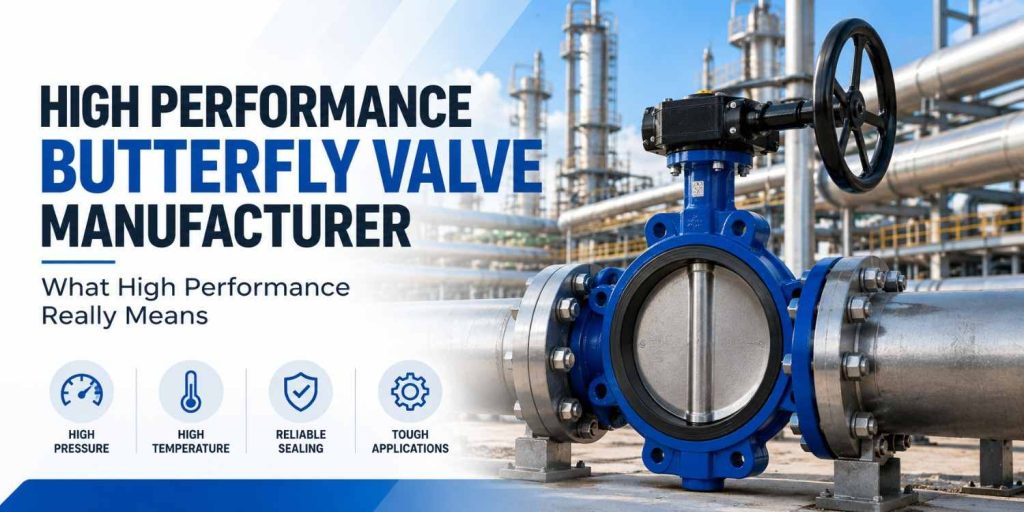
“High performance butterfly valve” is a phrase that gets used a lot. It appears on product pages, in catalogues, and in sales pitches. But if you ask most salespeople what it actually means — technically, specifically, in terms of how the valve is built differently from a standard one — the answer gets vague fast. […]
Butterfly Valve for Water Treatment Plant – Specification and Sizing Guide
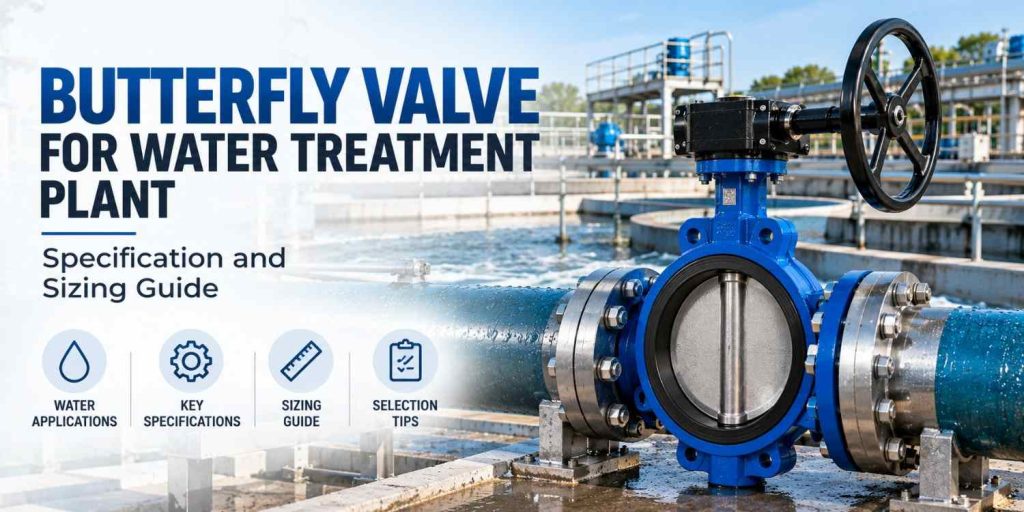
A water treatment plant engineer in Surat once told me something that stuck. He said, “We spent three months getting the pump selection right and three minutes picking the butterfly valves. Guess which one gave us problems?” It’s a common story across WTP projects in Gujarat. Engineers pour energy into the big equipment — clarifiers, […]
Indian Butterfly Valve Manufacturer vs Imported Valve: Which Is Better Value?
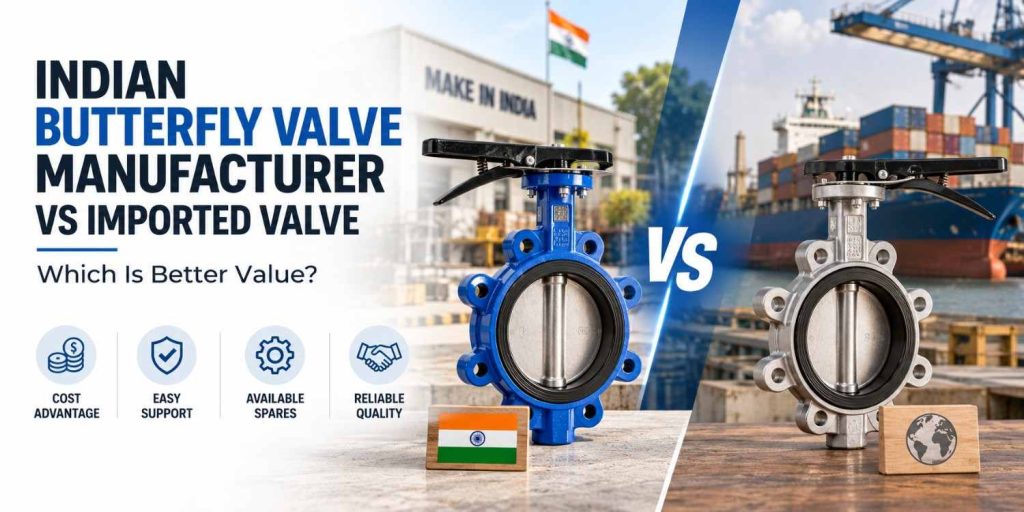
Two quotations are sitting on your desk. One is from an Indian butterfly valve manufacturer. The other is from an overseas brand with a glossy catalogue. The import is pricier, the local one is cheaper, and somebody in the room always asks the same thing: “But will it last?” I’ve seen that conversation play out […]
Certified Butterfly Valve Manufacturer — Why ISO Matters When You Buy
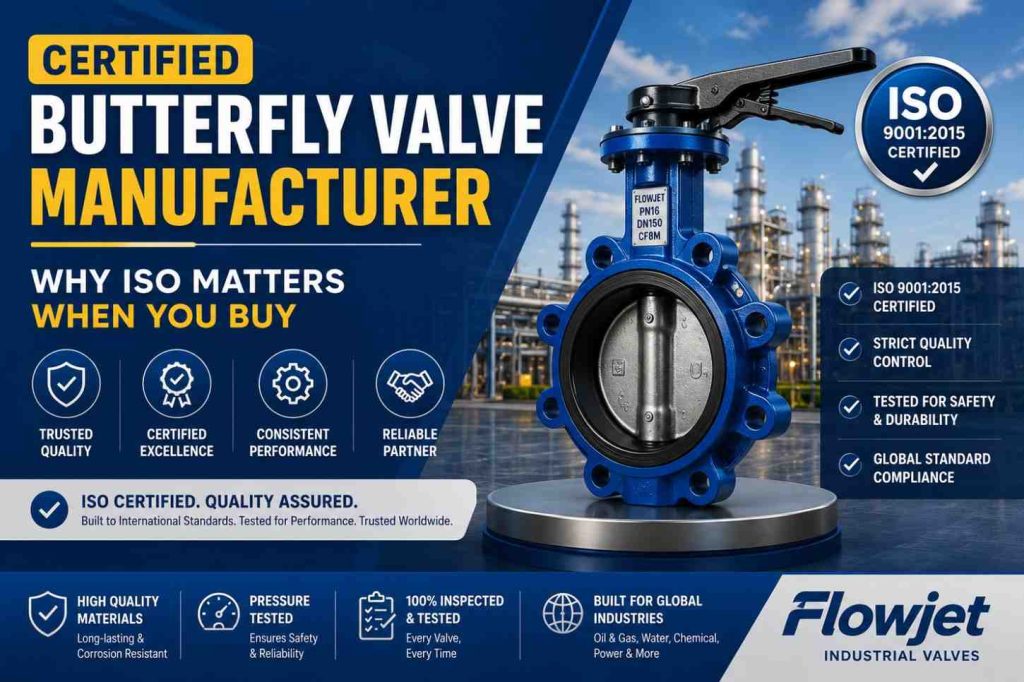
When you’re looking at two butterfly valve quotations side by side, and one supplier mentions ISO certification while the other doesn’t, it’s easy to treat it as a minor detail. A box-ticking exercise. Something that matters to auditors but not to the plant floor. That’s a mistake. And it’s the kind of mistake that tends […]
How Indian Butterfly Valve Manufacturers Are Competing with Imported Valves
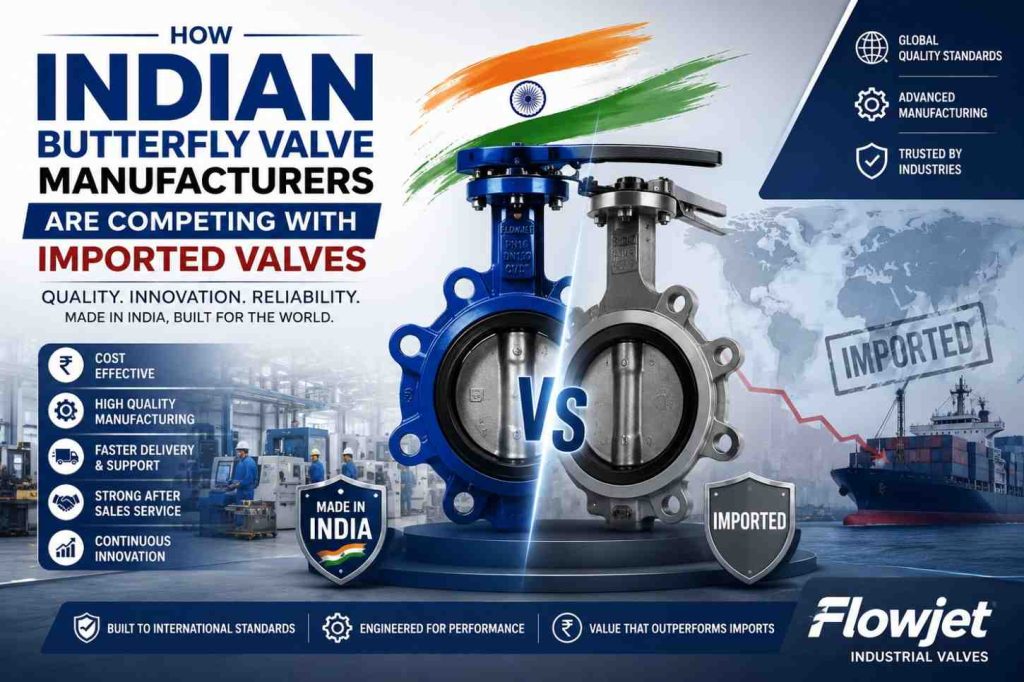
For a long time, imported valves had a certain status in Indian industrial procurement. European brands especially. If a project spec said “imported valve preferred,” nobody questioned it much. The assumption was simple — foreign-made meant better quality, better documentation, and longer life. Domestic manufacturers existed, sure, but they were seen as the budget option. […]
How to Choose the Right Butterfly Valve Manufacturer for Your Plant

Choosing a butterfly valve manufacturer sounds simple on paper. You need valves, they make valves, you place an order. Done. Except it’s not done. Not really. Because three months into the project, the seat starts leaking. Or the material certificate the auditor asked for doesn’t exist. Or the lead time that was promised at the […]
Wafer Type vs Lug Type Butterfly Valve — What’s the Difference?

Introduction Selecting the right butterfly valve is more than just choosing the correct size or material. One of the most common questions engineers, plant managers, and procurement teams ask is whether a wafer type or lug type butterfly valve is the better option. Both valve designs perform the same basic function—regulating or isolating fluid flow—but […]
What to Actually Look for in Butterfly Valve Manufacturers Before You Place an Order

Most procurement mistakes with butterfly valves don’t happen because the buyer picked the wrong valve type. They happen because the buyer didn’t look closely enough at who was making it. India has more butterfly valve manufacturers today than it did five years ago. That’s mostly a good thing — more competition, more domestic options, less […]
Top 10 Butterfly Valve Applications in Oil & Gas, Water & Chemical Industries

Every industrial pipeline relies on one silent hero to control the flow with speed and accuracy. The butterfly valve serves this function. Industry maintains its smooth operations because of its compact design and fast quarter-turn movement. You’ll find it everywhere: oil, gas, water, and chemical plants. Indian industries, always looking for reliability and cost savings, […]
Gate Valve vs Butterfly Valve: Know the Key Differences

In industrial fluid control applications, the selection of the right valve directly impacts performance, safety, and operating expenses. Among the various kinds of valves used in industries, gate valves and butterfly valves are two of the most frequently employed ones. Both are used to regulate the flow of fluids and gases, but there are considerable […]